
And what I’d recommend instead
Can You Go on Holiday During Separation Anxiety Training?
How long does separation anxiety training take?
One of the first questions people ask me is:
"How long will it take before I can leave my dog home alone?"
And I completely understand why.
Living with a dog who struggles to be left alone can feel exhausting. Every trip to the supermarket requires planning. Social invitations become complicated. Even popping out to take the bins out can feel stressful.
When you're in the middle of it, you want to know when life will feel normal again.
The honest answer?
The hardest part of separation anxiety training? It's not the training itself.
Baby, it's hot outside!!! Why Separation Anxiety Training Can Feel Harder During Hot Weather
If your dog's separation anxiety training suddenly feels harder during hot weather, there's usually a reason for it.
A lot of dogs cope less well with alone time during heatwaves, even when they don't look obviously distressed by the heat itself.
This can be frustrating when things were progressing nicely and your dog suddenly seems more restless, more vigilant, or less able to settle when left alone.
Before you worry that you've done something wrong or that your training has stopped working, it's worth looking at what hot weather can do to a dog's body and nervous system.
Dog Separation Anxiety: The Top 10 Owner Issues
Why Independence at Home Starts With Together Time
I wish more people knew this about treating their dog's Separation Anxiety
Dog Separation Anxiety Training Tips: what’s all the fuss about the “break area”
Did you know that where you start your dog's separation anxiety training can make all the difference?
Your and your dog's break area is their calm place — the spot where absence training begins and where they remain settled, or go back to, throughout each training exercise.
Getting this setup right helps your dog feel more secure and sets the foundation for a smoother training journey.
Phantom Pregnancy & Separation Anxiety 🐾
Phantom pregnancy, also known as pseudopregnancy or false pregnancy, is a condition where an intact female dog exhibits signs of pregnancy despite not being pregnant.
This phenomenon is primarily due to hormonal fluctuations and understanding how a phantom pregnancy can impact a dog's behaviour, especially concerning separation anxiety, is crucial for effective training and overall well-being.
Reasons Why Treating Separation Anxiety Is Worth Every Effort
Do you have a dog who struggles with Separation Anxiety? Here are 8 questions you should ask yourself

Questions my clients have been asking about separation anxiety in dogs
Separation anxiety in dogs can be challenging, affecting not only your dog’s happiness but also your daily life.
💔 If your dog becomes distressed when left alone, barking, whining, or becoming destructive, you’re not alone. Many dog owners face this issue, and it can be heartbreaking to see your pet struggle.
Does your dog suffer from the post-holiday blues?
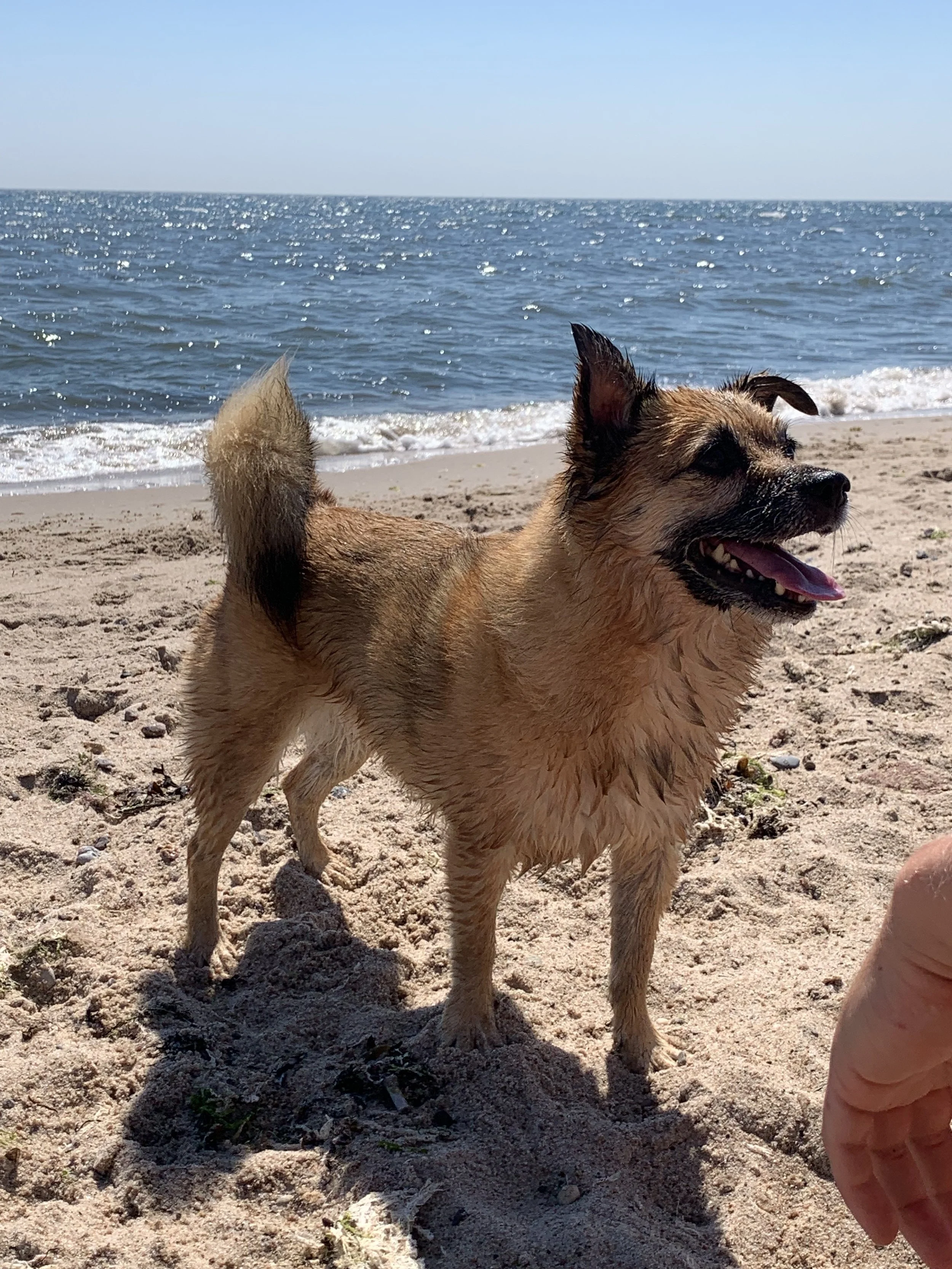
It's that time of year (for most of us). The summer holidays are coming to an end and we're back to the grindstone. Our dogs, meanwhile, have gotten used to having us around 24/7 and are now faced with home alone time…and some of them might be struggling with this.
Here are some tips to help your furry friend adjust
Is it separation anxiety or boredom?
Letting your dog sleep on your bed creates separation anxiety!

Nope, it doesn’t.
There’s zero evidence.
BUT…
if your dog is hyper-attached to you, being around you 24/7 isn’t helping them to develop the coping skills for being home alone, eventually.
HOLD YOUR HORSES…
do not go crazy now and banish your anxious dog from your bedroom tonight. Everything has to be done gradually and gently.
If you need help, we are here xx
The #1 activity to reduce stress and increase relaxation in dogs
Should you get a second go to help your dog overcome separation anxiety?

Well…firstly, you can never have enough dogs, obviously….in my opinion.
But on a more serious note; it depends, of course, but usually it actually won’t help and here are a couple of things to consider:
Your dog’s anxiety comes from being separated from you, the human, not just from being home alone. So while another dog might make your dog less lonely, it’s not likely to cure your dog’s anxiety when you’re away.
Also your current dog’s anxiety when you are not around may rub off on your second dog and then you have a double-trouble kind of situation.
So, I’m definitely all for getting a second, third, fourth dog, but do it for the right reasons, prepare yourself accordingly and enjoy your furry family.
Common mistakes in Separation Anxiety training and how to avoid them
Avoid merely waiting for the clock to tick away, meaning don’t just step out and watch until your dog can’t hold it together any longer and take that as your baseline for your training plan. Instead, ensure your dog has an enjoyable experiences while alone at home through observing your dog closely and ensuring you spot the small stress signals - gradually shifting their emotional response from fear to confidence. It's crucial to provide opportunities for your dog to have fun without stress during solo time.
Does crate training help separation anxiety?
The internet and world of social media is still full of advice to simply pop your dog in a crate to prevent him or her feeling anxious when home alone.
But fact is: a lot of dogs who struggle with separation related behaviours are prone to being easily overwhelmed by extra stressors. And for a lot of dogs, a crate does cause extra stress.
Firstly, ask yourself, does my dog actually like being in a crate. And REALLY have a good think about it. Plenty of dogs have learned to ‘shut down’ when in the crate AKA they’ve learned that there’s no way out, and this can often look like they are ok when in fact they are certainly not.